Average Cost to Replace a Roof on a 1,600 Square Foot House

A 1,600 square foot roof is typically found on a single-story home with a rectangular or square floor plan. However, the exact size and shape of the roof will depend on the design of the house. For example, a 1,600 square foot ranch-style home with a simple gable roof may have a roof with an 1,800 square foot area. On the other hand, a two-story home with a more complex roof design may have a smaller roof with a 1,200 to 1,600 square foot area, but one that will cost more to replace due to the complexity of a roof design.

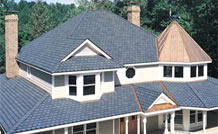
IKO Nordic shingles roof

Need a Roofer? Get 4 Free Quotes From Local Pros:

Enter Your Zip Code:

When it comes to the cost of roof replacement, the type of house and roof design can have a significant impact. For instance, a house with a flat or low-slope roof may require a different type of roofing material, such as a single-ply membrane or rubber roofing system, which can be more expensive than traditional shingles. Additionally, the pitch or slope of the roof can affect the installation process, with steeper roofs requiring additional safety measures and potentially driving up labor and installation costs.

Here are some examples of how different types of houses and roof types can impact the cost of a roof replacement:

  • Ranch-style home with a gable roof: A simple gable roof on a ranch-style home with a 1,600 square foot area may cost between $7,000 and $12,000 to replace with asphalt shingles, depending on factors such as location, number of existing layers of shingles, and roof slope.
  • Two-story colonial with a hip roof: A two-story colonial with a hip roof, which has four sloping sides, may cost between $10,000 and $15,000 to replace with traditional shingles, depending on the size and complexity of the roof.
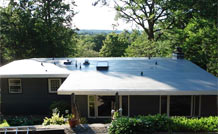
  • Modern-style home with a flat roof: A modern-style home with a flat roof may require a more expensive roofing material, such as a PVC or TPO membrane or EPDM rubber roofing system, which can increase the cost of a roof replacement to between $12,000 and $20,000. depending upon the condition of the roof and your home’s location.
  • Victorian-style home with a steep, intricate roof: A Victorian-style home with a steep, intricate roof design may require additional labor and materials, such as copper flashing or slate tiles, which can drive up the cost of a roof replacement to between $25,000 and $40,000 or more.

Average Roof Replacement Cost:

Low End

$7,500

Mid-Range

$10,500

High End

$14,500

See costs in your area Enter Your Zip Code


It’s important to note that these are just examples, and the cost of a roof replacement will depend on many factors specific to each home and roof. Homeowners should always obtain several quotes from reputable roofing contractors to get a better idea of the cost for their specific situation.

  • Three-tab shingles: Typically cost between $4.00 to $5.50 per square foot to install, depending on the condition of the roof and your home’s location. For a 1,600 square foot roof, this would cost between $6,400 and $8,800. These shingles are a good option for homeowners who are looking for an affordable, basic option that still provides adequate protection for their roof. They have a flat, uniform appearance and come in a range of colors.
  • Architectural shingles: Generally cost between $4.50 to $7.50 per square foot to install, depending on project scope and location. For a 1,600 square foot roof, this would cost between $7,200 and $12,000. These shingles are a step up from three-tab shingles in terms of quality and durability. They have a three-dimensional appearance and are available in a wider range of styles and colors. They are a good choice for homeowners who want a more attractive roof without breaking the bank.
  • Premium shingles: Usually cost between $6.50 to $11.00 per square foot to install. For a 1,600 square foot roof, this would cost between $10,400 and $17,600. These shingles are the highest quality and offer the best durability and performance. They come in a wide range of styles and colors, and may even be designed to mimic the appearance of other materials like slate or wood. Premium shingles are a good choice for homeowners who want to achieve a distinctive curb appeal and are willing to invest in a long-lasting, high-quality roofing system.

*Note the above examples are for a 1,600 square foot roof, while a 1,600 square foot home can have a roof with an area between 1,000 and 1,900 square feet. Roof design and number of stories determine the overall difficulty of the roof, and its size. The cost is more a factor of difficulty and roof complexity rather than the square footage of the roof alone.

Read more

Corrugated Metal vs. Standing Seam: Corrugation Myth Busters

Who Invented the Original, Corrugated Iron / Steel Roofing Style?

Henry Robinson Palmer learned his civil engineering under Scotsman Thomas Telford, the greatest builder of roads, canals, and bridges in the British Empire in the early 19th century.

Standing seam vertical sheet metal panels

In 1821 Palmer applied for a patent for a single elevated rail supported by pillars spaced ten feet apart that sported wheeled carriages hanging down from either side that would roll along the rail when pulled by a horse. Henry Robinson Palmer had invented the world’s first monorail.

Need a Roofer? Get 4 Free Quotes From Local Pros:

Enter Your Zip Code:

If you research Palmer’s life today, every source details the creation of the monorail. For most thumbnail sketches of Palmer’s life that is the end of the story, but Palmer himself did not concern himself much with the monorail after building the first one in 1825, about one mile long, in Cheshunt, a town twelve miles from London.

Two years later the 32-year-old Palmer landed a job as resident engineer for the London Dock Company. It was his responsibility to construct the walls along the Thames River to keep the world’s busiest port humming.

The aging wooden docks were in constant need of upgrade. To keep up Palmer patented a lightweight metal building panel that was self-supporting due to a series of waves or folds molded into the sheets.

Palmer’s manufacturing process consisted of pushing his sheet metal across fluted rollers to create the ridges that gave the metal strength. He called this “corrugation”, from the Latin word for “wrinkled.” It remains a common method for manufacturing corrugated metal today.

Palmer erected the world’s first corrugated building on the Thames River docks in 1829 and he continued to patent improvements in the construction of arches and roofs.

It is ironic that today Henry Robinson Palmer is remembered for the invention of the monorail, which is rarely encountered outside of amusement parks, airports, and a classic Simpsons episode. He is scarcely recognized for the development of corrugation, which became so ubiquitous in the 19th century for cheap shelter that most people – and historians – assumed it had been with us since antiquity.

Historical Significance of Corrugation

Corrugated metal roof-on a single-story house

Without corrugated metal there would have been no rapid development of the United States frontier, a less frantic California gold rush, much slower settling of farmland on the Great Plains and much harsher living conditions on the battlefield.

The strength to materials imparted by corrugation extended beyond the sheet metal shop to other industries; it was critical to the development of the cardboard, for instance.

Metal Roof Construction

metal-roof-on-a-log-home

By stiffening the metal sheets, corrugation permits a greater span across a lighter framework, ideal for the balloon construction techniques that became widespread in the 19th century.

However, metal for roofing has been used for centuries, although it was rare in early America. Thomas Jefferson was a metal roof fanboy and installed tin-plate iron on the roof of his beloved Monticello in rural Virginia.

Read more

Asphalt Shingles Prices at Lowe’s & Home Depot: GAF, OC, Onduvilla 3D

How to Select the Best Type of Asphalt Shingles for your DIY Project when shopping at your local Home Depot or Lowe’s home improvement store, or Online:

OC TruDefinition Duration Driftwood shingle bundles for sale at Lowe’s

Need a Roofer? Get 4 Free Quotes From Local Pros:

Enter Your Zip Code:

We’ll save you the trip to each store (and gas) by providing the following details: Retail Cost per bundle and square (100 sq.ft.) of shingles, Best options for DIY roofing projects, and overview of each product/brand

Before we get into the details of how to select the best type of roofing shingles, let’s first discuss the general roofing shingle options that home improvement stores like Lowe’s and Home Depot have to offer.

Both chains offer roofing products from the most popular roofing brand and the number one seller of asphalt shingles in America, GAF.

With Home Depot, GAF products represent about 80% of all asphalt shingle products available through the stores and online. Home Depot’s other roofing shingle option is the Onduvilla brand, which is available for online purchasing.

With Lowe’s, GAF shingles are roughly 50% of their overall offerings for asphalt shingles. Lowe’s also carries Owens Corning roofing products, which is another popular brand comprising another half of roofing shingles available for sale in Lowe’s stores and online.

The Onduvilla shingles are not the typical kind of shingles. Onduvilla specializes in what is known as 3D shingles, which have a wavy pattern and can be used as a stand-alone type shingle (like the popular types) but is more or less geared toward building owners with a metal roof that might benefit from this as an additional layer of roofing.

Because of how atypical this product is, we won’t be including it as part of the selection process, but we did want to mention it as a high-end and a fairly unique roofing option. The Onduvilla shingles cost about $50 per bundle (20 sq.ft.) or $250 per square, with 10 pieces in each bundle.

New Shingle Roof

$7,500
Average price
New Metal Roof

$14,500
Average price
New Flat Roof

$8,225
Average price

See costs in your area Enter Your Zip Code

Both Lowe’s and Home Depot stores provide all the roofing accessories including underlayments and Ice-and-Water shields, ridge caps, and vents, to make for a complete roofing system.

Below, we list the costs for each option, along with the required components. We won’t provide costs for flashing as that varies in purpose, and it’s therefore best to discuss with either a professional contractor or store specialist to make sure you are obtaining the most suitable product for the job.

Note: in many cases, prices on the products are almost exactly the same between the two stores. However, when this is not the case, we are providing the lowest cost from either store, and if there is significant difference, we’ll let you know.

Leak barrier / Underlayment material

  • GAF WeatherWatch Leak Barrier (aka Underlayment) = $49.50 for 150 sq.ft. roll
  • Grace Roll Roofing Underlayment = $138.00 for 225 sq.ft. roll

Starter Shingles

  • GAF Pro-Start Black Starter Shingles = $36.90 for 120 linear feet
  • Owens Corning Starter Shingles Black = $22.60 for 100 linear feet (through Lowe’s)

Ridge Vent

  • GAF Cobra Ridge Low Profile Exhaust Vent = $49.00 for 20 ft. roll
  • GAF Cobra 3 (Plastic) Ridge Exhaust Vent = $82.30 for 4 ft. piece
  • Owens Corning VentSure Plastic Roll Ridge Vent = $60.10 for 20 ft. roll

Read more