
In this guide, we present a side-by-side comparison of cedar shingles and shakes vs. asphalt roofing, with focus on material composition, installation costs, plus pros and cons and ROI of each option. Let’s get started!
The Difference Between Wood Shingles & Cedar Shakes
When used in roof covering, wood can be either shakes or shingles. Wood shakes have been used for centuries. They are split from logs and often left as split to retain the textured, rough-hewn effect.
 Source: Kuhl’s Contracting
Need a Roofer? Get 4 Free Quotes From Local Pros:
Enter Your Zip Code:
A wood shake is instantly recognizable by its thick butt end. With the advent of commercial sawmills, a wood shake was often sawn after splitting to achieve a uniform back side.
These sawmills also produced a completely uniform product with an even taper and identical thickness by sawing shakes on both sides. This manufactured product is known as a wood shingle.
California redwood, western red cedar, cypress, spruce, and pine are all used to manufacture wood shakes and shingles. Cedar is the most popular wood for shakes, southern yellow pine is also popular. Wood shakes and shingles can be pressure treated with fire retardants and chemical preservatives.

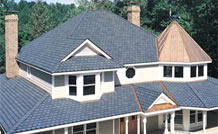 New Shingle Roof
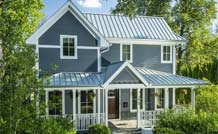 New Metal Roof
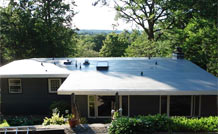 New Flat Roof
 See costs in your area
