
Replacing a roof in the U.S. protects homes from diverse climates—scorching heat, heavy snow, hurricanes, wildfires, tornadoes, hail, and seismic activity—while boosting value and meeting local codes.
Costs average $5-$9/sq ft for architectural asphalt shingles like GAF Timberline HDZ (lower in some regions), $9-$17/sq ft for metal (with ribbed panels as low as $5.50-$8.50/sq ft), $12-$21/sq ft for tiles, $7-$15/sq ft for flat roof materials (e.g., IB Roof PVC), $11-$20/sq ft for cedar shingles/shakes, $15-$30/sq ft for natural slate, $12-$18/sq ft for synthetic slate/shakes, and $19-$27/sq ft for solar, varying by size, pitch, complexity, and region (e.g., Northeast vs. Southwest).

The larger U.S.’s extreme weather—summer highs (110°F+ in the South), winter snow (20-100+ lbs/sq ft in the North), hurricanes (Southeast, 130+ MPH), wildfires (West, e.g., 2020 California fires: $12B), hail (Midwest, 1-2 inch events), and seismic risks (West Coast, Midwest)—shapes roofing under the IRC 2021, adapted by state and local codes for energy efficiency, wind (90-150 MPH), and seismic zones (A-F).
Real estate trends (inventory +6% YoY, Zillow 2025), insurance hikes (10-40% since 2020, NAIC), climate shifts (5-15% wetter/drier by 2030, NOAA), and events like the 2020 Midwest Derecho ($11B) drive demand.
The Federal Solar ITC offers 30% off solar roofing (e.g., $8,550-$12,150 for 1,500 sq ft), aligning with solar growth nationwide.
Costs have risen 20-30% since 2020 due to labor shortages, material inflation (e.g., lumber up 25%, RS Means), and storm frequency.
Need a Roofer? Get 4 Free Quotes From Local Pros:
Enter Your Zip Code:
This guide covers costs, materials, ventilation, deck condition, underlayment, regional pricing, storm impacts, insurance claims, real estate dynamics, roof shapes, sizes, warranties, financing, taxes, regulations, contractor tips, compliance, maintenance, tech trends, and FAQs—your ultimate U.S. roofing resource.
How Much Does It Cost in the U.S.?
Asphalt shingles (e.g., GAF Timberline HDZ, Owens Corning Duration, CertainTeed Landmark, Malarkey Vista) dominate (60-70% market share, RS Means 2025) for cost and durability; metal rises in wildfire, hurricane, and hail zones; tiles suit warm climates and upscale homes; cedar is niche in rural areas; slate fits historic properties; synthetic slate/shakes blend affordability and longevity; and flat roofs (e.g., IB Roof PVC) are urban staples.
Solar options include solar tiles (e.g., GAF Timberline Solar) or traditional roof-integrated panels (standing seam with S-5 clamps). Metal roofing options also include Classic Metal Roofs (aluminum), Interlock Metal Roofs (aluminum/copper), Drexel (primarily standing seam: Galvalume® AZ50, Drexlume™ AZ55, aluminum ASTM B209 alloys 3003/3105 tempers H14/H24, zinc, copper), and Tamko MetalWorks (galvanized steel shingles), offering diverse styles and durability.
Per Square Foot (National Averages)
- Architectural Asphalt (GAF Timberline HDZ, Owens Corning Duration, CertainTeed Landmark, Malarkey Vista): $5-$9/sq ft installed (130-150 MPH, Class 3 hail). $9-$11/sq ft in high-cost areas (e.g., Northeast, California, 10-25% premium, labor $50-$80/hr, IRC-compliant). Materials alone: $2-$3/sq ft. Costs as low as $5-$6/sq ft in lower-priced areas (e.g., AL, KS, OK) with simpler roofs and labor at $30-$50/hr. Standard installation (e.g., 4 nails/shingle) achieves 110-130 MPH; enhanced methods (e.g., 6 nails, adhesives) reach 150 MPH.
- Metal: $9-$17/sq ft (150-175 MPH, Class 4 hail, fire-resistant, SRI 50-80). Lower-cost ribbed panels (e.g., G-90 steel with Kynar 500) at $5.50-$8.50/sq ft installed, 30-50 years with maintenance (retightening screws, replacing seals every 10-20 years). Standard achieves 150 MPH; enhanced (e.g., tighter clips) reaches 175 MPH. Includes Classic Metal Roofs (aluminum), Interlock (aluminum/copper), Drexel (standing seam), Tamko MetalWorks (galvanized steel shingles).
- Tiles: $12-$21/sq ft (150-175 MPH, Class 3-4 hail, Class A fire-rated, SRI 20-60). Standard at 125-150 MPH; two fasteners/tile hits 175 MPH.
- Flat Roof Materials (e.g., IB Roof PVC): $7-$15/sq ft (130-150 MPH, Class 3 hail, SRI 80-90). Adhered systems reach 150 MPH; mechanically fastened drops to 120-130 MPH.
- Cedar Shingles/Shakes: $11-$20/sq ft (110-130 MPH, Class 1-2 hail, SRI 10-30, fire treatment key). Standard at 110 MPH; heavy fasteners hit 130 MPH.
- Natural Slate: $15-$30/sq ft (150-175 MPH, Class 4 hail, SRI 20-40). Standard at 150 MPH; thicker tiles reach 175 MPH.
- Synthetic Slate/Shakes: $12-$18/sq ft (130-150 MPH, Class 4 hail, SRI 20-50). Lighter than natural slate, mimics aesthetics.
- Solar: $19-$27/sq ft (150 MPH, Class 3 hail, SRI 10-30). Standard and enhanced both hit 150 MPH, e.g., GAF Timberline Solar, CertainTeed Solar Tiles, or panels on standing seam with S-5 clamps.
Average Roof Replacement Cost:
|
Low End
$7,500Mid-Range
$10,500High End
$14,500 |
|
|
 See costs in your area


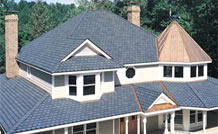 New Shingle Roof
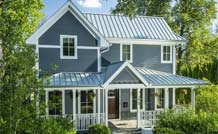 New Metal Roof
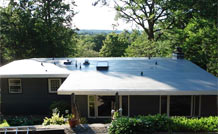 New Flat Roof


