Pros & Cons of Owens Corning Shingles – Costs – Unbiased OC Roofing Reviews

Owens Corning makes a large selection of composition shingles ranging from affordable to high-end. The brand is often compared with GAF, Tamko and Atlas. It’s considered a tier below the best lines from CertainTeed and Malarkey.

OC Shingle Cost

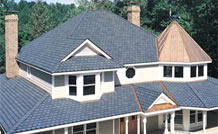
Owens Corning shingles cost ranges from about $75-$99 per square for 3-tab, $95-$135 for the most popular TruDefinition Duration shingles, and $250-$300 for premium designer shingles. A square is 100 square feet of roofing coverage.
New Shingle Roof

$7,500
Average price
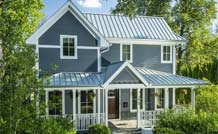
New Metal Roof

$14,500
Average price
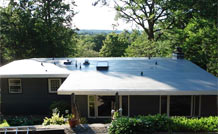
New Flat Roof

$8,225
Average price

See costs in your area Enter Your Zip Code

Did you know? Owens Corning (OC), GAF and CertainTeed account for about 80% of all asphalt shingle sales in the US.

This Fortune 500 (#458) dominates the building materials market with about 50% of combined residential insulation and roofing material sales. 2020 revenue was over $7 billion.

Owens Corning used to make vinyl siding until 2007, when the division was sold to CertainTeed.

Are OC Shingles Right for Your Home?

This guide is designed to provide you with comprehensive research about the strong points and weaknesses of the Owens Corning shingles.

Note: Comparing residential asphalt shingle brands is easy with the guides we’ve prepared for GAF, CertainTeed, Atlas, Malarkey and an Owens Corning vs Tamko guide.

Did you know? OC was the focus of a class action lawsuit regarding defective Oakridge Shadow shingles installed before 2006.

The suit was rejected in 2018 because “plaintiffs’ theories were too broad to show that the class would be sufficiently cohesive under the predominance requirement for class certification.”

Note: CertainTeed, GAF, Atlas and Tamko are among shingle brands that have been hit with class action suits.

Positives:

Here are the key factors besides a huge marketing budget that put Owens Corning shingles in the second place behind GAF in total sales.

The Owens Corning Total Protection Roofing System

A roof is much more than shingles. Other components protect against wind-driven rain, ice buildup, heat in the attic and other risks brought by the elements. All the major brands make a similar collection of products.

Using products from one brand ensures they’re designed to work together. It also gives you access to the best warranties from Owens Corning.

Pro Tip: You can qualify for OC extended warranty protection if you use at least three main components of the roofing system from Owens Corning. Ask your contractor to apply for the extended warranty coverage on your behalf.

OC uses the moto “Seal, Defend, Breath” to represent the Total Protection roof.

Seal: Underlayment and Moisture Barrier

OC makes standard felt underlayment (basic), ProArmor synthetic (better) and Deck Defense high performance synthetic (best).

The Owens Corning WeatherLock ice and water barrier is made in three tiers, too. The premium Flex barrier protects valleys, eaves, rakes and areas around chimneys. It’s best suited for very cold climates with frequent freeze/thaw cycles.

Defend: Starter Shingles, Roof Shingles and Hip/Ridge Shingles

OC makes starter shingles in roll and strip form that provide extra coverage at roof eaves. Five hip and ridge shingle lines match OC’s range of shingle styles.

Breathe: Roof Ventilation

This is a range of products for the soffit, ridge, and roof. The vents allow fresh, dry air to flow into the attic and hot and/or humid air to escape. Proper ventilation optimizes airflow to get rid of excess heat and moisture, which can damage your attic and roof.

OC Certified Contractors

All major brands offer certified contractor programs. Roofers in the network are trained in the installation of OC products and are given other perks.

The homeowner benefits by knowing the contractor has the experience and training OC requires. Secondly, you have the option of better warranties, though at a cost.

Read more

How to Install Metal Wall Panels – Metal Cladding for Homes

Looking around at the different houses on the street and not finding a unique, modern look that satisfies your desire for articulated lines yet is minimalist enough to not be in everyone’s eyes? Perhaps you are looking for Aluminum or Steel Standing Seam Siding. In this article, we will show how such a system is installed, as well as explain its properties and a bit of history.

Need a Roofer? Get 4 Free Quotes From Local Pros:

Enter Your Zip Code:

As you may know, aluminum siding has been very popular about 60 years ago; however, with changing tides in the global commodity market and innovative use of cheaper PVC (vinyl) siding, the use of aluminum and steel as a siding material has declined. Nevertheless, it has reemerged as an element of modern and contemporary design.

Modern metal wall panels such as corrugated metal, standing seam, and metal shingle cladding, provide a unique alternative to the standard options — when desiring something more than the same old vinyl siding or cedar shingles look for the exterior walls of your house. Read to learn more about how to go about installing metal wall panels and what to expect.

Standing Seam Siding — Project Details:

Length between the seams – should be adjusted so that most penetrations would fall between the seams.
Height of the seam – purely aesthetic but should be at least 1” tall.
Wall anchoring – two options nail strip or clips (longer use clips short use nail strip).
Lock type – snap lock or lock in from side, contractor preference.

Paint Finish – KYNAR 500® PVDF or HYLAR 5000® PVDF high quality raisin paint.

Gage – Thickness standard for aluminum siding and roofing is 0.032 to 0.040.

Project: Siding on the back portion of a town house with adjacent units on both sides.

Location: Boston, MA

Substrate: wood siding on top of boards.

Color: Silversmith and mate black window trim.

Type of panel: Nail-strip snap-lock.

Initial Inspection and material order preparation

First thing one should do when installing metal siding is to see if the deck, in our case wood planks, would hold the screws. Make sure that there is no rot or cracked boards (we were lucky as some of the siding was already removed).

Second measure every distance from sides to protruding objects such as windows, pipes, and outlets – try to record how big a penetration would be – to properly select the width of the panels. This step is crucial to having a clean look, flashing around objects is hard enough flashing with a seam in the middle is twice as hard.

Once all the above is done, I used Sketchup by Google, draw a diagram, and come up with a width that will make the least number of cuts necessary to go around windows and penetrations. After the diagram is adjusted for accuracy, the order is sent to the manufacturer.

removing old siding

Removing old siding, fixing deck, and installing underlayment

The main problem here is not to damage the adjacent buildings and the newly installed door. As this was wood siding and the work area was very small, we used crow bars which both less destructive and tests the strength of the boards underneath. As expected, some of the boards were rotten and on top of that the blown in insulation fell out once we removed the rotten boards.

After a quick run to Home Depot, we got some 3/4” plywood and pink insulation, and fixed the troubled areas. When installing standing seam for either roofing or siding applications, the deck should be as straight as possible and should not have any nails sticking out — if they are, sooner or later the aluminum will take the form of anything that’s underneath it.

New Shingle Roof

$7,500
Average price
New Metal Roof

$14,500
Average price
New Flat Roof

$8,225
Average price

See costs in your area Enter Your Zip Code

As with traditional siding choice the wood deck should be covered in underlayment/vapor barrier. Our choice is the synthetic breathable underlayment by GAF called Deck Armor. — It allows moisture to escape but doesn’t allow any water from the outside to penetrate.

Thus, it can help remove (vent out) any excess moisture coming from inside the house, while preserving the wood, insulation, and walls for many years to come. Underlay also acts as a second water barrier. — This treatment makes the side walls watertight.

Underlayment should be installed starting from the bottom, all the way to the top. It can be left exposed for months if the project were to be delayed or interrupted for whatever reason.

Flashing around windows and sides

flashing-windows-walls


Read more

BIPV Solar Shingles Cost: SunTegra, CertainTeed Appolo, Tesla Solar Roof

Your options for building integrated photovoltaic solar roofs have expanded with Suntegra, CertainTeed Appolo, and Luma Solar tiles to compete with other PV solar products currently being installed.

Certainteed Apollo-2 solar shingles roof

This guide covers the currently available and newly emerging BiPV / roof integrated PV (RiPV) solar shingle options, their costs, availability in specific markets within the US, and pros and cons of each option.

Cost

The table below includes the cost info and availability details for the top four leading RiPV competitors:

Product Cost per sq.ft. Cost per watt* 2,750 sq.ft. roof
CertainTeed Apollo II Shingle $17.25 – $22.00 $6.40 – $8.00 $47,230 – $60,500
CertainTeed Apollo II Tile $20.88 – $27.37 $7.65 – $10.00 $57,420 – $75,281
Dow PowerHouse II) (Discontinued due to bankruptcy) $15.00 – $20.00 Est. $6.15 $41,250 – $55,000
SunTegra Shingle $15.52 – $17.4 $5.70 – $6.40 $42,694 – $47,850
SunTegra Tile $16.80 – $21.30 $6.16 – $7.81 $46,200 – $58,575
Tesla Solar Tile $32.00 – $42.00 $11.77-$15.40 $88,000 – $115,500

Note: the above figures are baseline costs (estimated). The actual costs can in some cases be up to 25% higher, depending on the particulars of the jobs including more complex roofs and/or in areas with high cost of living, and in major coastal cities.

All costs include what is known as BOS, or balance of system, costs. These include the connectors, wiring and electrical inverter required for the installation. They do not factor storage battery costs ($7,500 – $12,500 for most systems).

Read more