Best Roofing Materials for Florida – How Much They Cost

In Florida’s hurricane-prone environment, selecting the best roofing material is critical to ensuring a durable, long-lasting roof that can withstand high winds and intense storms. Beyond material selection, attention to reinforcement and specific building codes is essential for achieving a resilient roofing system.

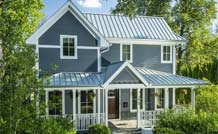
Standing seam metal roof

Here’s a breakdown of the top roofing materials and reinforcement techniques ideal for Florida’s unique climate, including an overview of Miami-Dade County’s rigorous requirements for roofing systems in hurricane zones.

Why Storm-Resistant Roofing Is Vital in Florida

Florida’s frequent hurricanes demand a roof system that can endure hurricane-force winds, heavy rainfall, and intense UV exposure. Materials alone are not enough; installation practices, reinforcements, and strict adherence to local building codes play a pivotal role in ensuring a roof’s durability.

Wind-damaged roof with blown off shingles

Key Florida Building Codes for Roofing

Florida’s building codes set high standards to safeguard homes in hurricane-prone areas. Miami-Dade and Boward County, in particular, has stringent regulations that any roofing material must meet to be approved for use (PDF). For a roofing product to receive the coveted “Notice of Acceptance” (NOA) in Miami-Dade County, it must undergo rigorous testing for wind uplift, water resistance, and impact resistance.

Read more

Hurricane-Grade Roofing: Best Roofs for High Velocity Wind Zones

Living in the hurricane-prone areas like coastal Florida, Georgia, Carolinas, and Gulf states like Texas and Louisiana, means your roof needs to withstand extreme weather—high winds, heavy rain, and flying debris. Choosing the right hurricane-grade roofing system is critical for safeguarding your home and family during hurricane season.

Let’s explore the most durable roofing systems, focusing on wind resistance, durability, and cost, so you can make an informed decision.

Why Hurricane-Grade Roofing Matters

Hurricanes can produce winds of over 150 mph, which can easily tear off a poorly installed or low-quality roof. A hurricane-resistant roof provides wind resistance, waterproofing, and impact protection, ensuring your home can withstand the elements and minimize damage.

Best Roofing Systems for Hurricane Zones

1. Metal Roofing

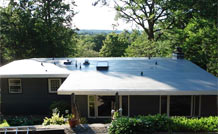
Standing seam metal roof on a single-story home

Durability and Longevity: 35+ years
Wind Resistance: Up to 160 mph
Cost: $11.50 – $20.50 per square foot installed

Average Roof Replacement Cost:

Low End

$7,500

Mid-Range

$10,500

High End

$14,500

See costs in your area Enter Your Zip Code


Metal roofing is one of the most wind-resistant roofing systems available, with interlocking panels and shingles that offer superior protection against wind uplift. Not only are they lightweight and durable, but they also reflect heat, reducing home energy costs.

Types of Metal Roofing:

  • Standing Seam: Vertical panels interlock to form a strong barrier against wind and water.
  • Stone-Coated Steel Roofing Shingles and Tiles: These mimic the appearance of traditional materials like clay or slate, while offering the durability and wind resistance of steel. The stone coating adds extra protection against corrosion and provides an aesthetic appeal.

Standing Seam Data: According to the Insurance Institute for Business & Home Safety (IBHS), metal roofing can withstand wind speeds up to 160 mph, making it suitable for areas facing Category 5 hurricanes.

In hurricane-prone regions or areas with severe wind events like tornadoes, standing seam metal roofs can be designed to handle extreme wind speeds, often surpassing 160 mph. Some advanced metal roofing systems are even rated to withstand winds of 180 mph or more, offering top-tier protection.

Stone Coated Steel Data: Thanks to its modular design, batten substructure, and secure fastening patterns, stone-coated steel has proven its resilience in severe wind events, including hurricanes and tropical storms. It comes with warranty coverage for wind speeds up to 120 mph and meets the strictest building codes for high-wind areas, such as Miami-Dade County, Florida, where standards reach up to 180 mph.

Read more

Metal Roof vs Asphalt Shingles Cost – Is a Metal Roof Worth It?

When comparing the cost of metal roofing vs. shingles, there are a few factors to consider. Here is an in-depth look at the cost comparison between the two roofing materials:

    1. Initial Cost: The initial cost of metal roofing is generally higher than that of shingles. Our research shows the average cost to install a new metal roof is between $11.50 and $20.50 per square foot, depending on the type of metal and project specifics, while asphalt shingles typically cost between $4.50 and $9.50 per square foot.
New Shingle Roof

$7,500
Average price
New Metal Roof

$14,500
Average price
New Flat Roof

$8,225
Average price

See costs in your area Enter Your Zip Code

  1. Long-term Cost: Although metal roofing is more expensive initially, it can be more cost-effective over the long-term. Metal roofing is more durable than shingles and can last 30 to 60 years, while shingles typically last 15 to 30 years. This means that you may need to replace shingles multiple times over the lifespan of a metal roof, increasing the long-term cost of shingles.
  2. Energy Efficiency: Metal roofing is generally far more energy-efficient than shingles. Metal reflects solar radiant heat, which can reduce the amount of heat absorbed into your home and lower your energy bills. Look for CRRC colors with a Kynar 500 paint finish to maximize energy savings with a metal roof. Additionally, some metal roofing systems can be installed with insulation to further increase  your home’s energy efficiency.
  3. Maintenance: Metal roofing is very low-maintenance and requires little upkeep over its lifespan. Shingles, on the other hand, can be prone to damage from storm winds, wind driven rain, ice dams, moss and mildew growth, and other weather conditions, and may require more frequent maintenance and repair.
  4. Resale Value: In the short run, an asphalt roof can offer better cost-to-value return than metal. In the long run, though, a metal roof will maintain its value for decades, whereas an asphalt roof will not. So, 10-15 years down the road, an asphalt roof may offer very little in terms of retained value and may be viewed more as a liability by potential buyers.

While the initial cost of metal roofing is higher than that of shingles, it can be more cost-effective over the long-term due to its durability, longevity, and energy efficiency. Additionally, metal roofing can add lasting value to your home and increase its resale value, maintaining it for decades to come.

Read more