The top two engineered lap siding brands are the defending champion HardiePlank fiber cement and the up-and-coming contender LP SmartSide engineered wood siding.
This guide covers both products from all angles that matter to a homeowner – Looks, durability, cost of materials and installation, and pros and cons of each option. Let’s get started!
Cost and Return on Investment
Both LP SmartSide and HardiePlank are comparably priced materials, so unless you’re watching pennies very closely, this probably won’t be the deciding factor.
Return on investment or ROI, refers to the percentage of the total cost recouped at resale. This doesn’t take into account the enjoyment factor or energy savings.
For example, if the expected ROI on siding were 75% for a project that originally cost $10,000, then the installation of new siding would increase the home’s sale price by about $7,500.
HardiePlank cost: $2.50 to $5.00 per square foot for siding and all trim accessories
HardiePlank installation: $6.50 to $12.50 per square foot
HardiePlank total cost installed: $8.50 to $17.50 per square foot
HardiePlank / fiber cement siding ROI: 83% to 86%
Cost Comparison:
LP SmartSide cost: $2.50 to $4.50 per square foot for siding and all trim accessories
LP SmartSide installation: $5.50 to $12.00 per square foot
LP SmartSide total cost: $8.00 – 16.50 per square foot
Andersen and Pella, Pella, and Andersen. The two window giants are compared more often than any other two brands, and for a good reason; each company offers an impressive selection of windows ranging from affordable to luxurious, available in multiple materials and all window styles and sizes.
This buying guide is your comprehensive source for window prices for both brands, plus their complete window series and styles information. We start with what’s on every homeowner’s mind:
How much do Pella windows cost?
How much do Andersen windows cost?
This table lists the window series, materials, and pricing details for all Pella and Andersen windows, making it easy to compare new window costs between these top two brands:
Pella Windows
Series
Material
Types
Cost
Architect Series 850
Wood
S, D, C, A
$1,250-$1,750
Architect Series Reserve
Wood
D, C, A
$1,400-$2,150
Lifestyle (previously Designer 750) Series
Wood
D, C, A
$1,000-$1,450
450 Series/ProLine (discontinued)
Wood
D, C, A
$650-$950
Impervia
Fiberglass
S, D, C, A, G
$450-$850
350 Series
Vinyl
S, D, C, A, G
$350-$550
250 Series
Vinyl
S, D, C, A, G
$300-$475
Encompass by Pella
Vinyl
S, D, C, A, G
$250-$450
Andersen Windows
Series
Material
Types
Cost
Architectural Collection E-Series
Wood
D, C, A
$1,250-$1,950
Architectural Collection A-Series
Wood/Fibrex
D, C, A
$1,350-$2,050
400 Series
Wood
D, C, A, G
$1,000-$1,450
200 Series
Wood
D, G
$650-$950
100 Series
Fibrex
S, C, A, G
$245-$595
Renewal by Andersen aka RBA
Fibrex
D, C, A, G
$1,550-$2,250
Notes:
Cost: The Cost column reflects windows of average size and most common features chosen by homeowners. Specific window costs will range slightly lower or higher based on the feature package chosen such as window size, glazing/glass package, extras like exterior cladding, custom grilles, built-in blinds or shades.
Types Code: S=single-hung; D=double-hung; C=casement; A=awning; G=gliding or sliding. Most window series also offer picture/fixed windows and bay/bow window assemblies.
Did you know? New construction windows are different from replacement windows.
All Pella series and all Andersen series except for Renewal series can be used for new construction or as replacement windows. — If they are new construction windows, the frames are manufactured with a nailing fin used to secure the windows to the home’s exterior sheathing.
Replacement windows are secured to the window opening through the side jamb, so the exterior siding doesn’t need to be disrupted.
If you’re doing a complete exterior makeover including siding replacement, then either type can be used.
Installation Costs
Window installation costs below apply to both professional (warrantied) labor and any supplies required for all window types, double-hung, casement, fixed, etc.
New window (non-replacement) installation cost: $250-$300 per window
Basic Vinyl or Fiberglass Replacement window installation cost: $250-$400 per window
Wood-frame Replacement window installation cost: $350-$850 per window (more labor to replace wood windows)
Bay/Bow window installation cost: $400-$750 per window assembly
Window installations do cost less for new construction projects for two reasons:
There are no old windows to remove first and windows quickly nail to the exterior sheathing on the home.
Installing replacement windows in older homes can take significantly longer if the window openings have shifted or warped or if they need repair. — These delays will increase installation cost.
Cost-to-Value Return at Resale
National home remodeling and sales data show that window replacement return on investment (value recouped at resale) ranges from about 73% for upscale windows such as Pella Lifestyle (previously Designer 750) series and higher, Andersen 400 Series and higher, plus Renewal by Andersen, and up to 80% cost-to-value return for more affordable Pella and Andersen window lines.
For example, if you spend $10,000 on new windows, the potential sale price of your home in the first 10 years will be $7,300 to $8,000 higher.
The cost-to-value return speaks to the value recouped at the time of selling your home. It does not take into account the commutative value of energy savings and/or other benefits such as the enjoyment homeowners derived from the windows upgrade.
New windows can help a home sell faster, especially when the listing price is near the upper end of a potential buyer’s target price range. The buyer will have the assurance that replacing windows won’t be an expense they will need to worry about for the next 15-25 years.
Pro Tip: If you plan to sell your home in the next few years, replacing the windows isn’t a cost-effective choice unless they are in such poor condition, they’ll turn off buyers.
A better approach is to give potential buyers an allowance sufficient to cover the mid-grade new windows like Pella 350 high-end vinyl/Impervia Fiberglass or Andersen 200/400 Series. — This would cover their costs. The buyers could also use the money toward a premium window series, allowing the buyers to choose the kind of windows they like the best for the price.
Andersen Vs. Pella Window Comparison
Pella makes a broader overall range of window series in different materials compared to Andersen. You can view and buy Andersen windows at Home Depot, while Pella windows can be viewed and purchased at Lowe’s.
Andersen makes four solid wood series and one affordable Fibrex composite series. Pella makes three solid wood series, and one fiberglass Impervia Series windows that compare with the Andersen’s most affordable 100 Series windows made of Fibrex, though at a much higher cost for Pella Impervia. This comparison would be based on the window frame materials only (fiberglass vs. Fibrex) and not a fair series-to-series (Impervia is a mid-tier fiberglass window series line from Pella) comparison.
Andersen 100-Series Windows
Did you know? The primary difference between Pella and Andersen is that Pella also makes three vinyl window lines, and one fiberglass-frame window. Pella Impervia, the fiberglass window series sits right in between the wood and vinyl product lines based on Pella’s pricing tiers.
Andersen, on the other hand, offers windows made from their proprietary composite material called Fibrex, which is made from 40% reclaimed wood fibers by weight (from the production of Andersen wood windows) combined with 60% thermoplastic polymer (PVC vinyl) by weight.
Note: Andersen also has a completely separate line of high-end Fibrex windows called Renewals by Andersen, which is a whole separate business unit/division within Andersen. RBA windows are made for replacement only and are sold through the in-home sales presentations by independent RBA dealers. We cover the Renewals by Andersen offering, right below the main lineup of Andersen windows.
Asphalt shingles still dominate the US roofing industry, accounting for more than 70% of all residential, sloped roofs including new construction and replacements. That’s probably why you’re here – asphalt shingles are on the short list of materials you’re considering for your home, garage, or business.
Need a Roofer?Get 4 Free Quotes From Local Pros:
Enter Your Zip Code:
GAF Timberline HD Birchwood Architectural Asphalt Shingles on a Cross-Cable Roof with two dormers Source: GAF
However, not all asphalt shingle roofing products are created equal. This guide will help you:
Understand the main types of asphalt shingles
Compare top products and brands from most popular manufacturers
Ultimately choose the best asphalt shingle type and style for your home
What are Asphalt Shingles?
There are many reasons for the popularity of asphalt shingles, and we’ll cover them in the pros and cons section, but the main reasons are low cost and ease of installation – the combination of low cost and fairly decent durability and longevity aka the value for the money.
Note: If you come across a discussion of organic shingles in your research, the information is likely quite old or encyclopedic. Organic shingles didn’t perform up to the expectations of quality and performance, so most manufacturers stopped making them in 2008.
Did you know? The longevity of any asphalt shingle product is determined by the shingle thickness and quality of construction. More on that below:
Composition of a modern asphalt shingle:
Fiberglass mat: The core of today’s durable asphalt shingles is fiberglass mat. This material is chosen because it is lightweight, resists tearing, and holds asphalt very well.
Asphalt: The fiberglass mat is run through a saturator tank where the glass fibers are thoroughly coated with hot asphalt, a petroleum-based material used for its strong resistance to moisture. The weight and toughness of the asphalt is useful for wind and hail impact resistance.
Mineral granules: The part of the asphalt shingle that will be exposed to the elements is coated with mineral granules that are available in a wide range of colors.
— Shingles can be given a single color to produce a solid-color shingle or a blend of colored granules for a more nuanced look.
— The ceramic-coated granules also reflect the UV rays of the sun – the single worst threat to shingles.
Sealant strips: Continuous or intermittent lines of raw asphalt are applied to the top part of each shingle that will be covered by the next layer installed. The sealant strip bonds the shingles together once they heat up in sun and warmth.
Did you know? The sunnier a climate is, the shorter the lifespan of the average shingle will be. One of the ways to extend the lifespan of an asphalt roof in a sunny climate such as Florida, Arizona, Texas, is to opt for a solar-reflective, light colored shingles designed to reflect solar radiant heat and UV radiation.


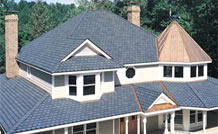 New Shingle Roof
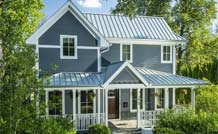 New Metal Roof
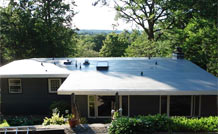 New Flat Roof
 See costs in your area