Fiber Cement Siding Cost 2022: HardiePlank Installation Cost per Sq.Ft.

In recent years, fiber cement siding has emerged as a viable and a highly attractive alternative to the less costly and far more common vinyl siding.

Hardieplank fiber cement lap siding on a house

In this guide, we’ll explore the costs and pros and cons of fiber cement siding for residential retrofits in the US.

Cost Installed

On average, you can expect to pay anywhere from $9.50 to $16.50 per square foot or $950 to $1,650 per square to install fiber cement siding on a typical house. A square is equal to 100 square feet.

The cost of professional installation will include all the necessary materials, labor, permitting, debris removal and disposal, and workmanship warranty.

To put the above figures in perspective, a typical 2,000 sq. ft. HardiePlank or Allura lap fiber cement siding installation will cost between $19,000 and $33,000 to complete. This gives you a National Average cost of $26,000 to install approximately 2,000 sq.ft. of fiber cement siding on a typical single-family house in the US.

The actual price for the job will vary with the size of the house, overall level of job difficulty, accessibility, and your home’s location. All things being equal, booming metro areas will be much pricier than remote rural areas.

Read more

Top 15 Green Home Improvements: Costs – Home Energy Efficiency

All major home remodeling efforts demand careful consideration and planning. When tackling an energy efficient home upgrade, that task can truly expand exponentially. It is imperative that you utilize a whole-house system approach to the project to wring the most value from your efforts.

Did you know? Home Energy savings realized in one segment of your property can easily be gobbled up by neglecting to pay attention to other energy-sapping culprits — With that in mind, let’s look at some of the popular energy-saving home improvement projects and take a stab at evaluating their value…

1. Smart Home Energy Audit

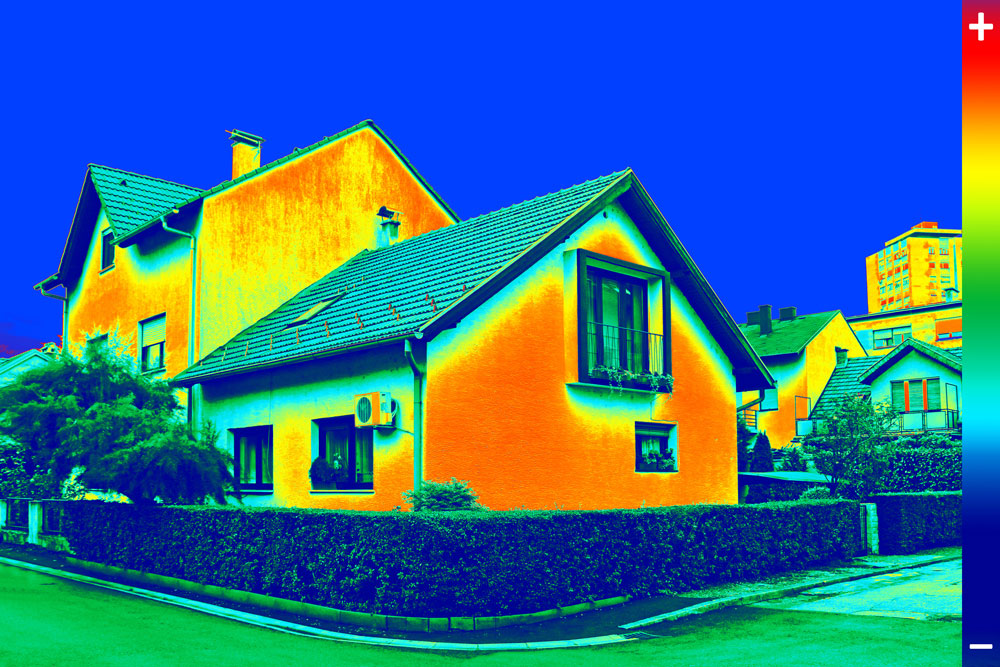
energy-audit-thermal-image via Henges Insulation

Your first step is to engage a professional energy audit of your house ($300-$500 by a trained energy expert although you may be able to wrangle one for less – or even free – from your local utility eager to reduce its power burden). This will factor into your home remodel plans such vital actors as site conditions, your local climate, your home’s micro-climate, the state of your current heating and cooling environment versus your required needs and so on.

Once the energy audit is complete, you will not only have specific goals for the reduced utility and home maintenance costs, but also ideas for a healthier and safer interior living environment that will increase the physical comfort, energy efficiency, and dampen noise levels.

A professional home energy audit should also include any local state incentives and tax breaks you are in line to receive for embarking on energy-saving projects.

A typical home energy audit will uncover opportunities to improve energy efficiency and comfort of your home by sealing the air leaks and drafts and upgrading the level of insulation in critical areas such as crawl spaces, wall cavities, and attic where there might be thermal energy loss due to inadequate insulation.

Read more

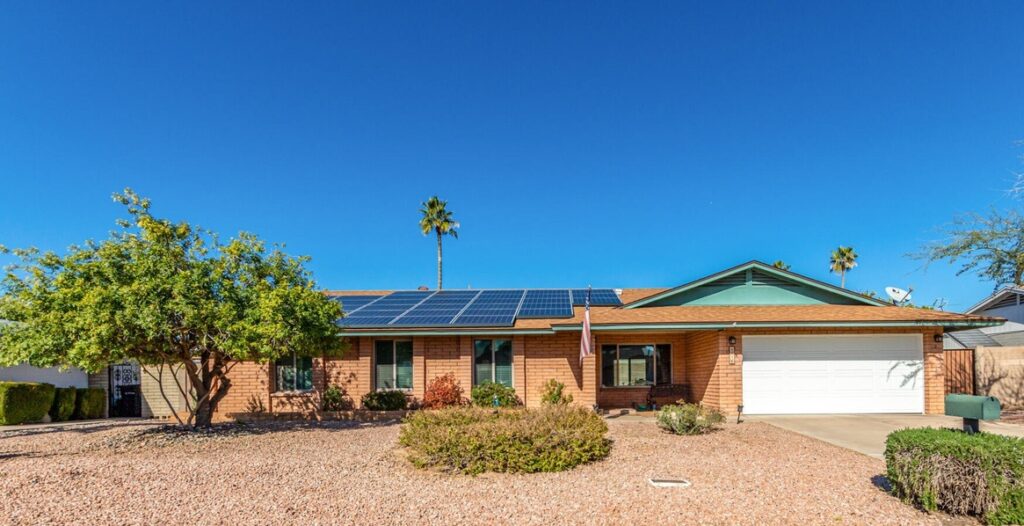
How Much Can I Save With Solar Panels Each Year?

Installing solar panels on your rooftop is an investment decision, which means there are costs and benefits involved. However, with proper planning and when getting a professional design and installation, the long-term financial savings from a quality home solar system can be much higher than the initial upfront costs.

In this guide, we will help you answer one of the most common questions among homeowners before purchasing a photovoltaic system: “How much can I save with solar panels?”

There are two main factors that determine the dollar savings achieved by a home solar system: their annual energy generation and the kilowatt-hour price charged by your electricity provider.

  • The electricity output of solar panels depends on their sunlight input, which means they generate more in places with a sunny climate.
  • This amount is then multiplied by the kilowatt-hour price, which represents the avoided cost when going solar.

Read more