LP SmartSide Siding Cost vs. HardiePlank Fiber Cement Siding in 2022

The top two engineered lap siding brands are the defending champion HardiePlank fiber cement and the up-and-coming contender LP SmartSide engineered wood siding.

LP SmartSide Siding
via Upside to SmartSide

This guide covers both products from all angles that matter to a homeowner – Looks, durability, cost of materials and installation, and pros and cons of each option. Let’s get started!

Cost and Return on Investment

Both LP SmartSide and HardiePlank are comparably priced materials, so unless you’re watching pennies very closely, this probably won’t be the deciding factor.

Return on investment or ROI, refers to the percentage of the total cost recouped at resale. This doesn’t take into account the enjoyment factor or energy savings.

For example, if the expected ROI on siding were 75% for a project that originally cost $10,000, then the installation of new siding would increase the home’s sale price by about $7,500.

  • HardiePlank cost: $2.50 to $5.00 per square foot for siding and all trim accessories
  • HardiePlank installation: $6.50 to $12.50 per square foot
  • HardiePlank total cost installed: $8.50 to $17.50 per square foot
  • HardiePlank / fiber cement siding ROI: 83% to 86%

Cost Comparison:

  • LP SmartSide cost: $2.50 to $4.50 per square foot for siding and all trim accessories
  • LP SmartSide installation: $5.50 to $12.00 per square foot
  • LP SmartSide total cost: $8.00 – 16.50 per square foot
  • LP SmartSide ROI: 82% to 87%

Read more

2022 Steel Roof Costs, Pros & Cons – Steel Roofs vs. Asphalt Shingles

For many decades, composition shingle roofs have been the overwhelmingly popular choice for new roof installations and re-roofing applications.

However, thanks to the rapidly growing consumer awareness of all the benefits of modern residential metal roofs, many savvy homeowners are now considering steel sheet panels and stamped tiles as a viable alternative to asphalt. Hence, it is hardly a surprise that metal, by and large steel, has become the fastest growing segment in the residential roofing market.

Why Steel Roofs?

Many homeowners concerned with aesthetic appeal are often positively impressed with the wide variety of contemporary styles, profiles, and vibrant colors available in modern steel roofing. Other benefits that help make steel roofs stand out among other roofing products, include low overall life-cycle cost, durability and longevity, superior energy efficiency, and sustainability.

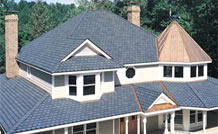
New Shingle Roof

$7,500
Average price
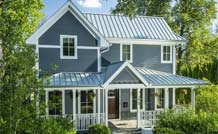
New Metal Roof

$14,500
Average price
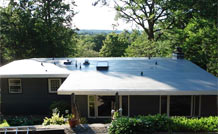
New Flat Roof

$8,225
Average price

See costs in your area Enter Your Zip Code

For anyone who wants their roof to be an asset for years to come, rather than it being a constant source of problems, steel roofing can be a wise choice.

Steel is Exceptionally Strong and Durable

Steel is one of the strongest, most durable building materials, which is why it is so widely used in commercial and industrial construction. Your home can benefit from superior durability of steel in several different ways; The inherent material properties of steel make it highly resistant to cracking, warping, curling, or peeling — all of these are common problems associated with asphalt shingles.

Did you know? A steel roof will not be susceptible to rot, decay, discoloration, mold growth or termite infestation. The superior durability of steel will free you from the expensive and time consuming maintenance and repair issues that are often a necessary part of owning most other types of roofing systems.

Read more

Copper Roofing Cost and Pros & Cons – 2022 Guide for Homeowners

Being a premium roofing material, a copper roof comes with a hefty price tag. You can expect to pay between $18 and $30 per sq.ft. to install a new copper roof, depending on the project size and complexity, your home’s location, and other project-specific variables. An average-sized copper roof will cost between $36,000 to $60,000 or more to install.

Today, it is rather rare that an entire roof gets covered with copper. Instead, only sections such as towers, porches, bay windows and low slope sections (copper with soldered seams) get copper for looks or waterproofing purposes. Most people cannot afford to cover the entire roof with copper.

In case you are not interested in having the entire roof done with copper, you can still incorporate copper as roof valley and flashing metal for slate, wood, and asphalt shingle roofs. Copper can provide an enhanced look for the roof, and an excellent weather protection, as it will not corrode.

Read more