Top 10 Siding Materials: Costs, Pros & Cons and ROI

Today, you have more attractive house siding options than ever before. This buying guide details the top 10 siding materials to help you decide which type will give your home the look and durability you want, while staying within your budget.

1. Vinyl Siding
2. Fiber Cement Siding
3. Aluminum Siding
4. Natural Wood Siding
5. Engineered Wood Siding
6. Brick Siding
7. Brick Veneer Siding
8. Genuine Stone Siding
9. Stone Veneer Siding
10. Stucco Siding

Did you know? Most other online estimates of house siding costs are unrealistically low. Many other resources take the cost of the basic material and add the “base” installation costs to reach their total. — This approach fails to consider accessories like trim, supplies and fasteners that can add $1.50 to $2.50 per square foot.

Vinyl Siding

Vinyl siding is made from polyvinyl chloride, or PVC, a plastic. It is blended with pigment to give the siding color. Acrylics are added for strength and fade protection.

The material is extruded into panels. Most panels are textured like rough-hewn wood siding, but smooth panels are produced too.

What we like:

Vinyl siding is known for its relatively low cost and durability. — That combination produces good value. The material can easily last 30 to 40 years, depending on the quality and thickness of panels.

Vinyl offers excellent styles and color options:

Horizontal vinyl siding is made to look like wood boards from 3” to 8” wide in Dutch lap, beaded and clapboard styles.

Vertical panels are produced in board & batten and flat styles.

Architectural panels are formed like wood shingle and shake siding. Most products are offered in colors from white to deep browns and dark grays.

Vinyl siding is light and easy to install. — This helps cut down costs when hiring a professional and makes a DIY option more viable for handy homeowners.

Maintenance is minimal: Lightly power wash it to remove dust and dirt.

What we don’t like:

Vinyl lacks the authenticity of wood: In neighborhoods where homes are sided with natural wood, stone and brick veneer, vinyl often looks inferior.

Vinyl isn’t as eco-friendly as metal: While vinyl siding can be recycled, most of it ends up in landfills.

Warping, cracking and water penetration are frequent problems with bad installation.

Cost:

The installed cost of basic vinyl siding is $5.50 to $8.50 per square foot when horizontal and vertical panels are used.

Architectural vinyl siding panels with a layer of insulation will cost $2.00 to $4.00 more per square foot, depending the profile, with the total installed cost of $7.50 to $12.50 per sq.ft.

Cost factors are the quality of the siding material, insulation and trim details, and the complexity of the house on which it is being installed.

ROI (Value Recouped at Resale):

Vinyl siding has a recouped value of about 78% to 80% at resale. The ROI is the percentage of the cost homeowners recoup when selling their home while the siding looks new and is in good condition.

What ROI doesn’t necessarily capture are the intangibles such as the enjoyment value, improved energy efficiency with insulated siding panels, and the additional level of protection for your home from elements such as wind driven rain.

Did you know? Vinyl siding is the most common house siding in the US and Canada. It accounts for nearly 30% of all siding jobs. However, vinyl’s market share is slipping as other siding materials, such as fiber cement and wood composite gain popularity with homeowners wanting a finer and better value siding options.


Read more

Vinyl Siding Cost vs. Fiber Cement vs. LP SmartSide Siding

You have just spotted the first telltale signs of peeling paint from your house’s wood siding. It won’t be long now until the dreaded house painting becomes a must-do. Unless this year is the year you finally re-skin the house in vinyl siding.

Vinyl siding – actually, polyvinyl chloride plastic resin that is heated and extruded into sheets – has only been around for about 50 years and was developed as a cheaper alternative to metal siding back in the 1950s.

Vinyl’s reputation for “cheap” was honestly earned as plasticized siding was susceptible to cracking and sagging. Colors were limited and those colors faded. Even well-cared for vinyl siding looked like… well… vinyl siding.

But in recent years, the two most important components of vinyl siding – the quality of materials and the expertise of installation — have made giant leaps forward.

Today about one-third of new American homes are built with maintenance-free (almost) vinyl installed as cladding.

Vinyl has been rated in various surveys to last anywhere from 60 to 100 years so this will likely be the last investment you make in your house’s siding.

What to Expect in Terms of Costs?

So how much will it cost to cast those paint brushes aside and put new vinyl siding on your house?

The short answer is anywhere from $7.50 to $14.50 per square foot installed, or around $750 to $1,450 per square (100 square feet) installed, depending on the type of project, your home’s location, and project specific variables. This can translate to a total project cost range of $15,000 to $29,000 for an average two-story house or 2,000 square feet of new vinyl siding installed.

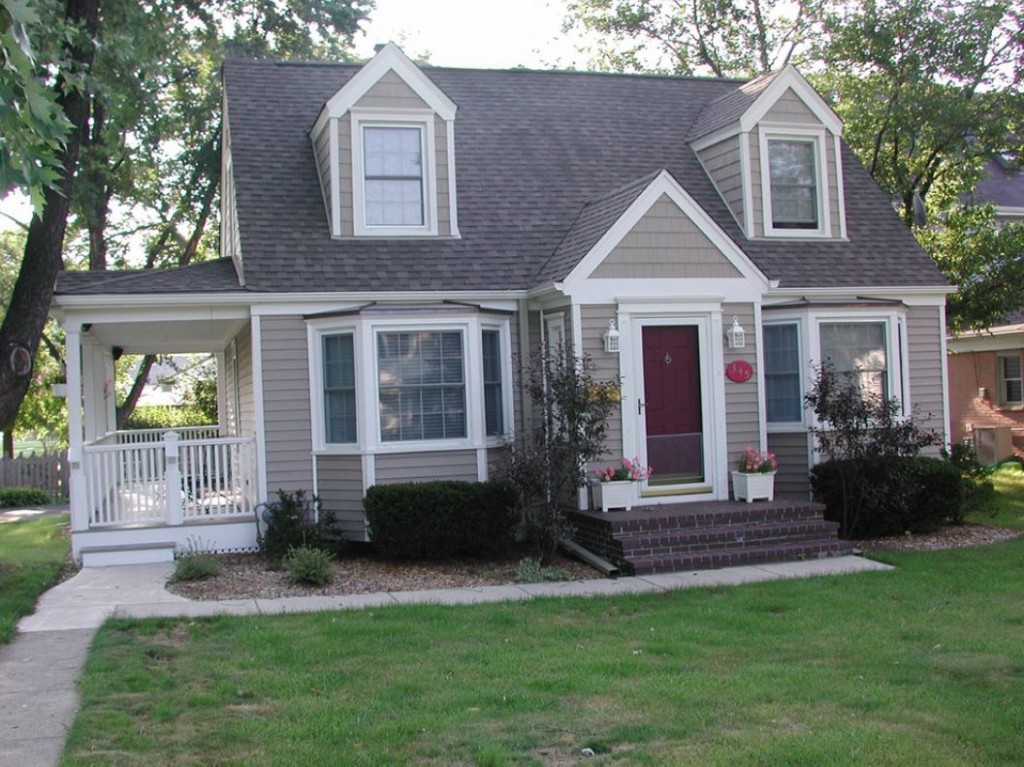
vinyl siding on a cape style home Vinyl Siding on a Cape Cod style home installed by Siding & Windows Group

In a remodeling contractor survey done by Hanley Wood, the mid-range vinyl siding cost for a typical home (1,250 sq. ft. of siding installed) in the US was about $17,410 according to the latest Hanley Wood Remodeling Costs-to-Value survey.

The survey also reports an average cost-to-value return (average percentage of cost recouped at the time of resale) of about 80% for a new vinyl siding job.

That said, your total cost for a new vinyl siding job will depend on a couple of factors; primarily the grade of materials (low-end, mid-range, or high-end), the quality of installation, and of course your home’s geographic location, accessibility, level of difficulty, etc. Let’s explore this further:

Read more

Tesla Solar Roof Shingles vs. Traditional Solar Panels: What You Need to Know

Tesla has become a household name in many parts of the world, and you have probably read or heard about their solar roof shingles. They can be described as miniature photovoltaic panels that look more like the traditional asphalt shingles, and many homeowners prefer this look.

via Tesla SolarRoof

If you’re trying to decide between a Tesla solar roof and a traditional solar panel system, this buying guide will help you compare both options.

First, there is a very important difference between solar roof shingles and conventional solar panels.

  • Solar roof shingles are the combination of two products. They serve as a roof for your home, but they also generate electricity.
  • Solar panels are separate components that are installed on top of your roof, using the right type of racking system.

This difference has a very important implication for homeowners. Solar panels can be installed on almost any roof, as long as the structure is capable of carrying their weight. However, you replace your existing roof completely when using Tesla solar shingles, and this makes the project more expensive.

Based on upfront costs and return on investment, traditional solar panels are the recommended option for most homeowners. However, a Tesla solar roof can make sense financially if you’re planning to build a new home with solar panels, since you haven’t spent on a roof yet and you have the chance to combine two building elements.

Solar roof shingles are also viable economically if you have an old roof that will need replacement soon. Just keep in mind that delivery times can be long, due to the growing popularity of Tesla products in general.

Of course, personal preference is also important when deciding between different products. Installing a Tesla solar roof is a great option if you don’t like the appearance of solar panels, or if you’re loyal to the brand and prefer their products. However, keep in mind that Tesla also installs traditional solar panels as an alternative to solar tiles, and their price tag is much lower.

Read more